Dry Eye Syndrome
What is dry eye syndrome?
Dry eye syndrome occurs when the eyes are unable to maintain a healthy layer of tears. This can happen either because tear production is too low or because the tears evaporate too quickly. A stable tear film is essential for clear vision and to protect the eye from dust, pollutants and infections.
Common symptoms
Recognising these signs early can help prevent long-term complications.

What causes dry eyes?
- Prolonged screen use without breaks
- Dry, windy weather or air-conditioned environments
- Medications such as antihistamines, antidepressants or acne treatments
- Wearing contact lenses for extended periods
- Medical conditions like rheumatoid arthritis or Sjögren’s syndrome
- Blepharitis or meibomian gland dysfunction
- Hormonal changes, especially after age 50
- After-effects of laser eye surgery
Lifestyle tips for relief
Small changes in daily habits can greatly improve eye comfort. These steps can support your overall eye health and prevent symptom flare-ups.
- Adjust your screen to eye level and take regular breaks
- Use a humidifier if you spend time in dry environments
- Ensure you get sufficient sleep
- Reduce contact lens use if you’re experiencing symptoms
- Include omega-3 fatty acids in your diet (from fish or supplements)

Dry eye treatments
Dry eye can often be managed with simple, non-invasive treatments. These may include:
- Lubricating eye drops or gels (preservative-free options are often recommended)
- Night-time ointments for lasting moisture
- Artificial tears used several times daily
Your eye specialist will tailor treatment based on your symptoms and tear quality.
Advanced treatment for persistent dry eye
When basic treatments are not enough, more specialised options are available. At Eagle Eye Centre, our specialists will recommend the most suitable approach for your condition.
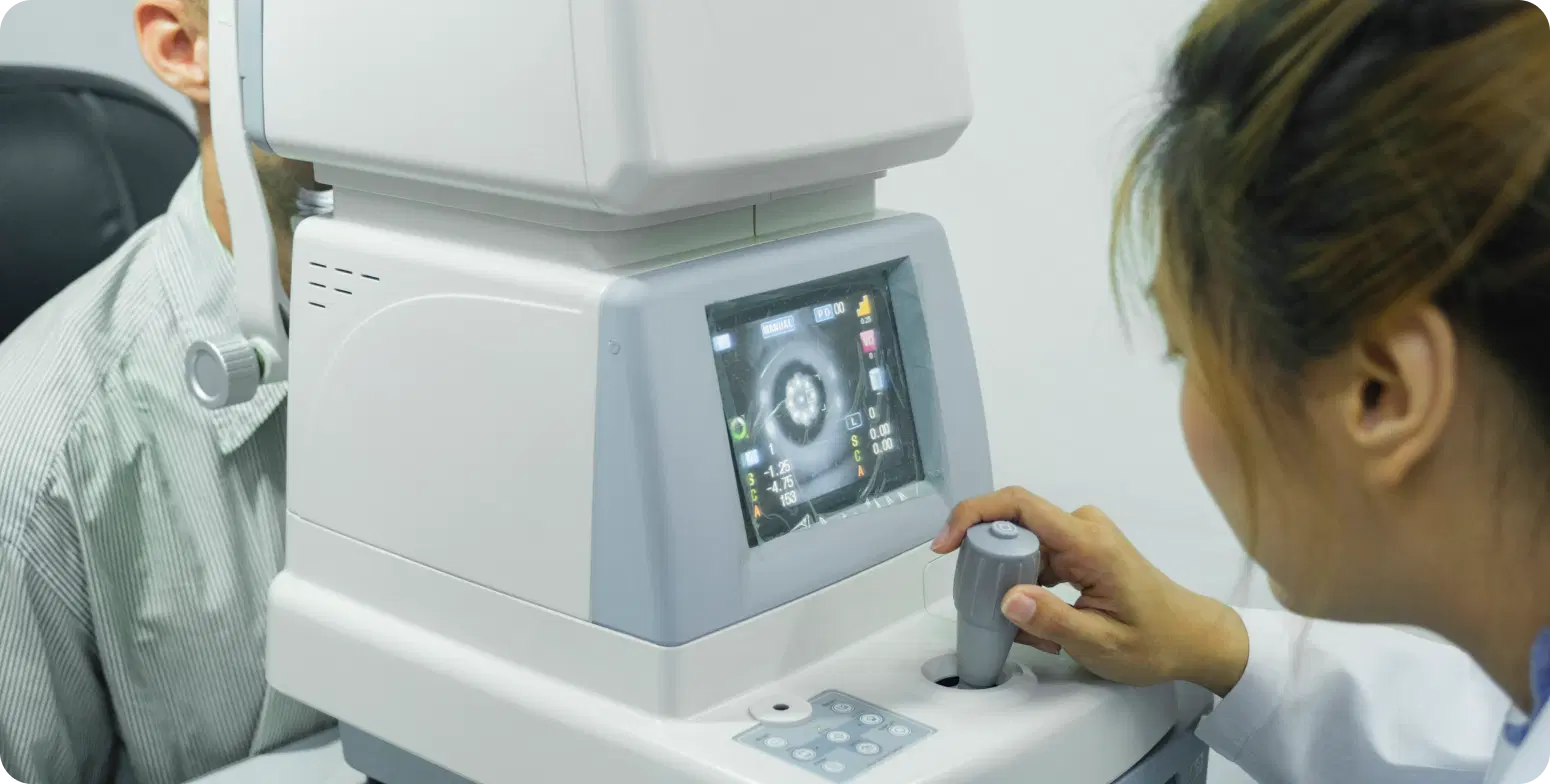
Punctal plugs
Tiny inserts that block tear drainage to retain moisture longer.

Meibomian gland expression
Helps unclog oil glands to restore tear stability.
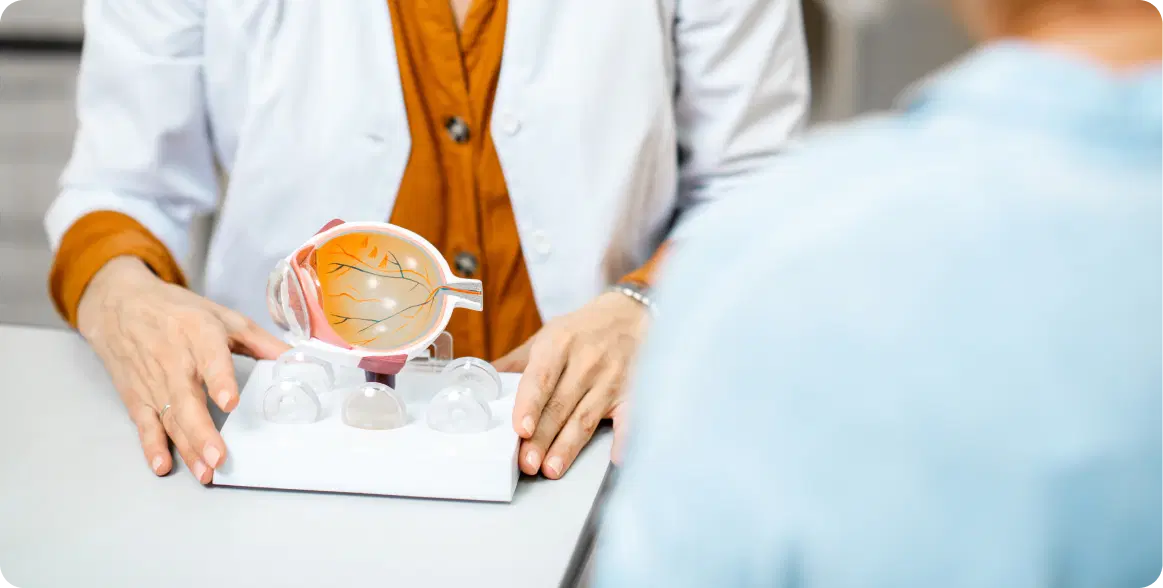
BlephEx
A gentle cleaning procedure for inflamed eyelids.
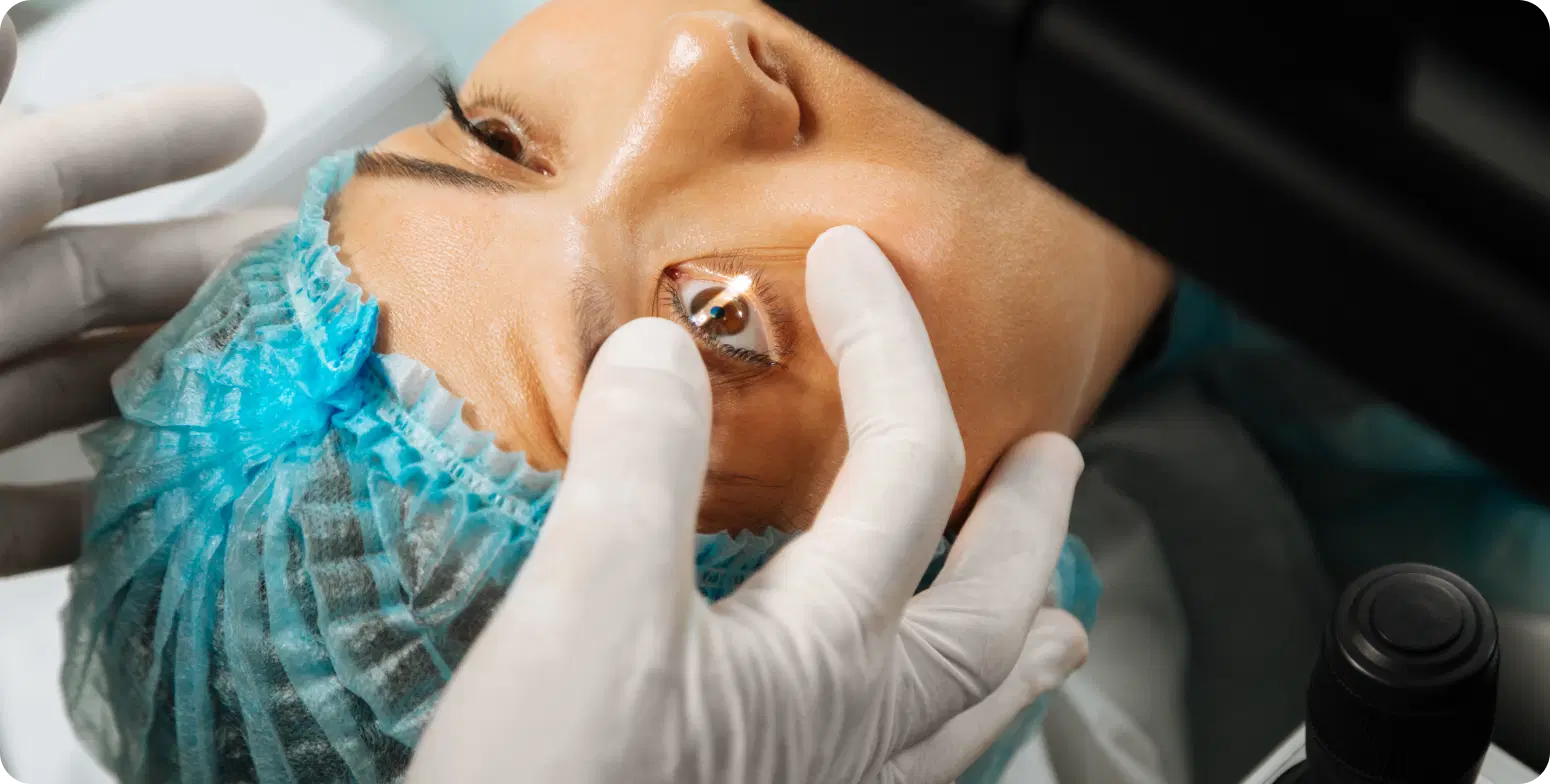
Intense Pulsed Light (IPL) therapy
Used for managing inflammation in cases linked to meibomian gland dysfunction.
Our Specialists
Our team of board-certified ophthalmologists and licensed optometrists brings together decades of specialized training and experience. Each doctor has completed additional fellowship training in subspecialty areas, ensuring you receive the most advanced care available.


Frequently asked questions
Ask us anything about how we can help you understand eye care better!
- If you wear soft lenses it is advisable to stop wearing them for 1 week before the pre-operative consultation but if it is not possible for you to stop wearing them for 1 week then the minimum that you should stop them for is 3 days.
- If you wear hard/ gas permeable lenses it is advisable to stop wearing them for 2 weeks or for a minimum of 1 week prior to the pre-operative consultation.
- Normal daily activities: after 1 week
- Swimming or water sports: avoid for 2 weeks
- Contact sports (LASIK patients): avoid for 1 month to protect the corneal flap
LASIK surgery is not recommended during pregnancy due to hormonal changes that may temporarily affect the shape of the cornea, which can reduce accuracy.
- LASIK may be considered about 3 months after delivery
- LASIK does not affect breastfeeding
- Laser vision correction is not known to be harmful to an unborn child
Cataract surgery is one of the most commonly performed and safest surgeries worldwide. However, as with any procedure, complications can occur.
Possible complications include:
- Mild infection or inflammation
- Temporary irritation or light sensitivity
- Raised eye pressure
Most complications are uncommon, mild, and treatable when detected early. Your surgeon will explain risks before surgery.
WHAT YOU SEE MATTERS
See an eye specialist
While occasional dryness may be manageable at home, ongoing symptoms should be evaluated by an eye care professional. Left untreated, dry eye can lead to chronic discomfort, inflammation and, in some cases, damage to the eye’s surface. Persistent dryness, irritation or blurry vision should not be overlooked.