Glaucoma
What is glaucoma?
Glaucoma refers to a group of eye diseases that damage the optic nerve over time, often resulting in vision loss or blindness if left untreated. Damage normally starts at the periphery and gradually progresses toward the central vision.
Common symptoms
Open-angle glaucoma often has no symptoms initially. As it progresses, patients may develop blind spots in peripheral vision. Acute angle-closure glaucoma presents suddenly with:
- Severe eye pain
- Redness and blurred vision
- Nausea, headache and halos around lights
Types of glaucoma

Primary open-angle glaucoma
Gradual clogging of eye drainage channels leads to increased intraocular pressure (IOP). Vision loss is slow and often symptomless early on.

Acute angle-closure glaucoma
The drainage angle in the eye suddenly becomes blocked, causing a rapid and painful rise in eye pressure. This is an eye emergency.
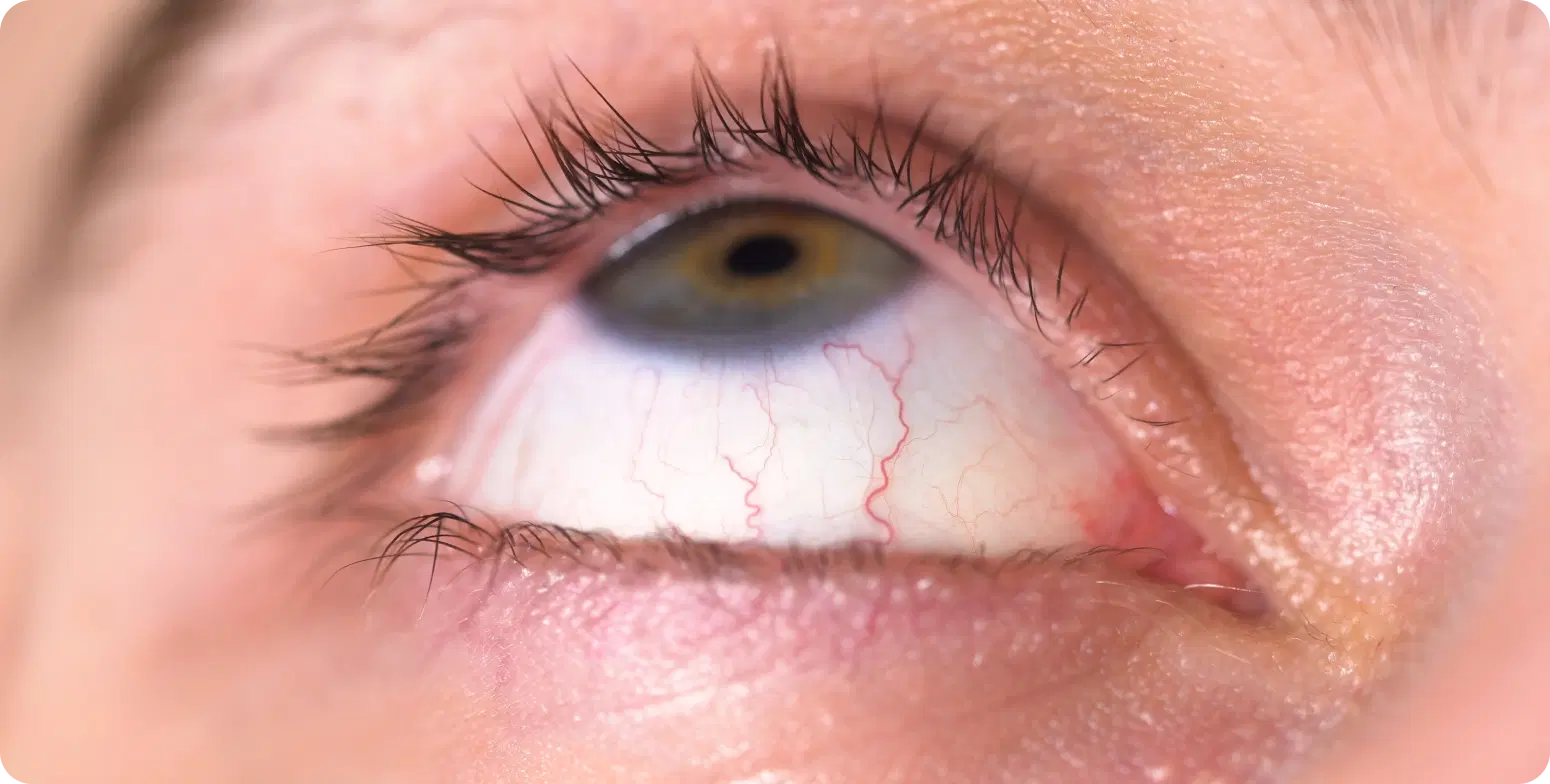
Normal-tension glaucoma
Optic nerve damage occurs despite normal eye pressure levels.
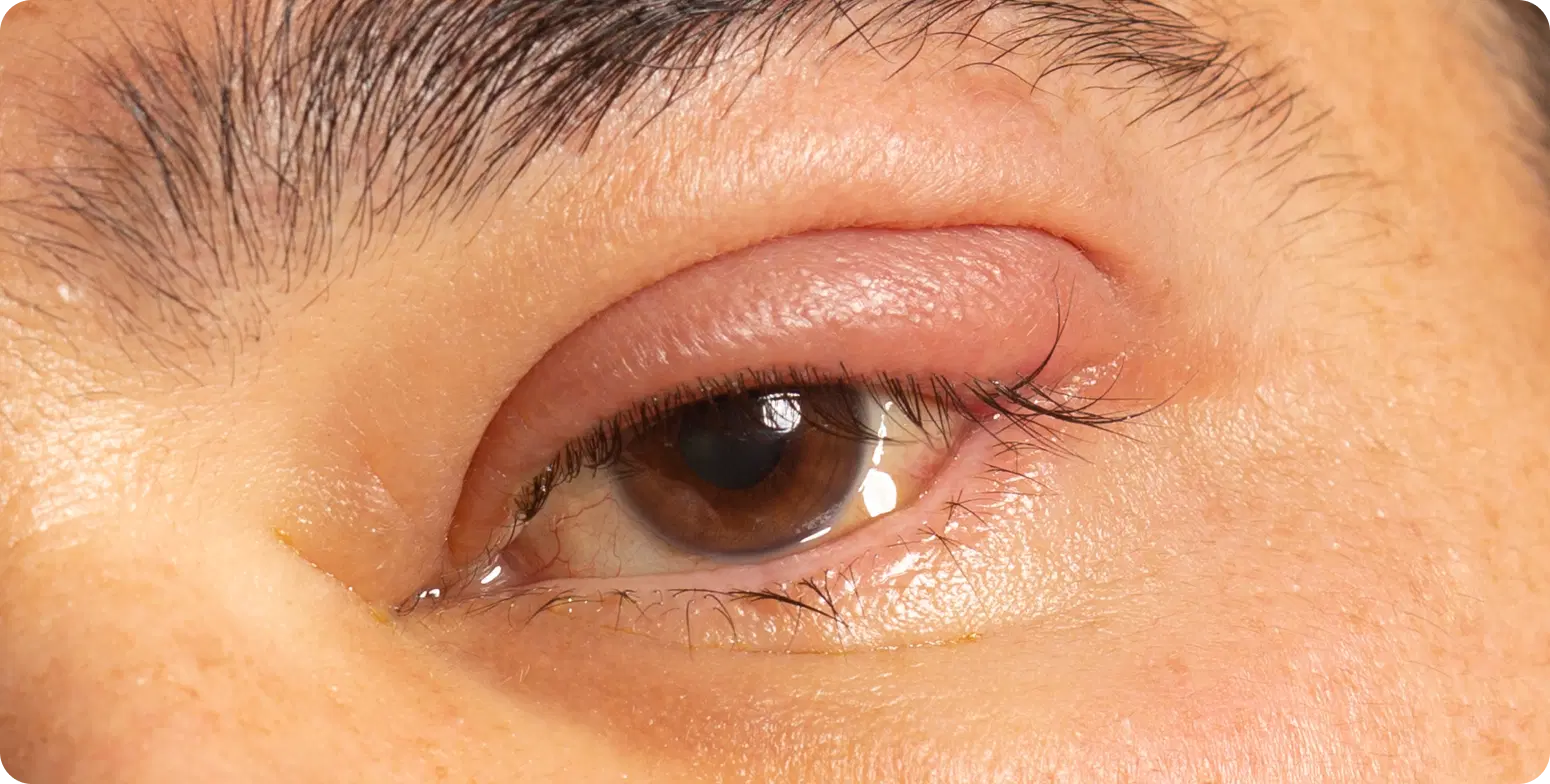
Secondary glaucoma
Develops due to other eye issues, such as trauma, inflammation, pigment dispersion, or steroid use.
Why glaucoma develops?
Glaucoma often arises from increased intraocular pressure when fluid does not drain properly. Causes can include:
- Excessive fluid production
- Blocked drainage pathways
- Damage from medications like corticosteroids
- Poor optic nerve perfusion
How is glaucoma diagnosed?
- Visual acuity and field testing
- Tonometry to measure eye pressure
- Gonioscopy to view drainage angle
- Pachymetry for corneal thickness
- OCT imaging to assess optic nerve structure
- Review of personal and family medical history
Managing & treating glaucoma
While damage is irreversible, treatment aims to preserve remaining vision by lowering eye pressure:

Medical management (first-line)
Eye drops such as prostaglandin analogues, beta-blockers, alpha-agonists and carbonic anhydrase inhibitors.
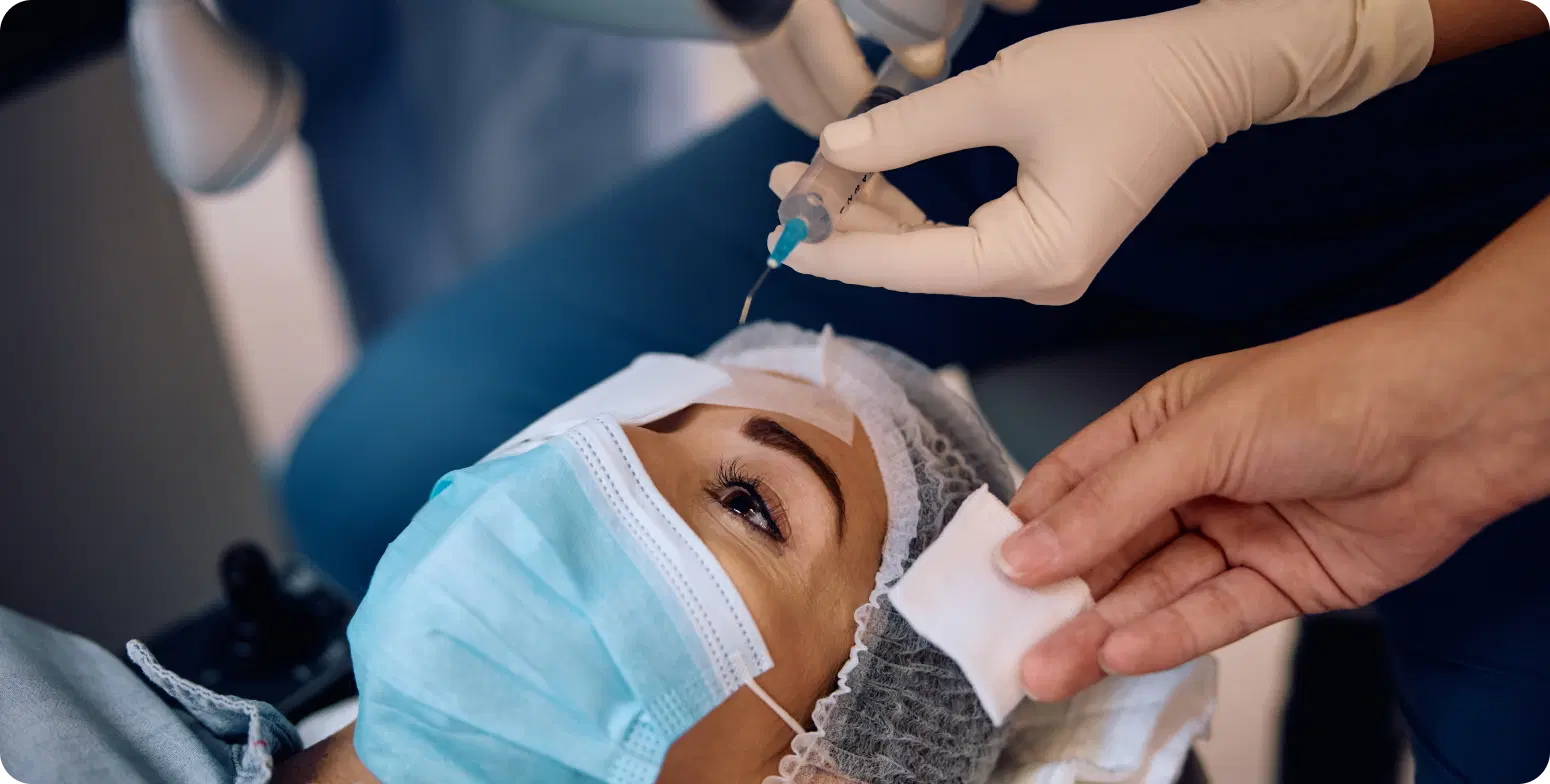
Laser treatments
- Selective laser trabeculoplasty (SLT) for open-angle glaucoma to improve drainage
- Laser peripheral iridotomy (LPI) for acute angle-closure glaucoma to relieve blockage
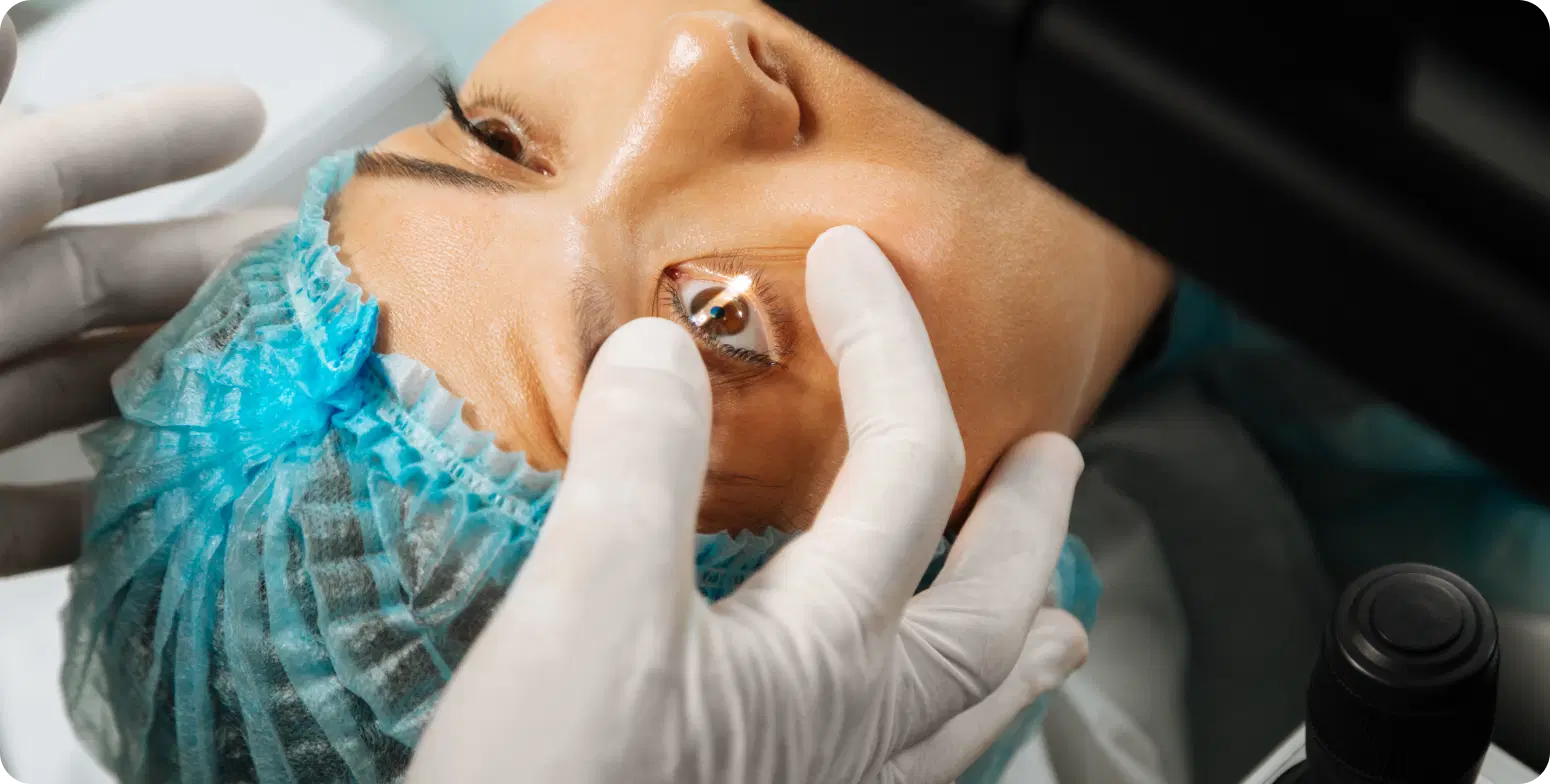
Surgical interventions
- Conventional trabeculectomy or glaucoma drainage device implantation
- Minimally invasive glaucoma surgery (MIGS) including canaloplasty or microstents
Risk factors
Factors associated with increased glaucoma risk:
- Age over 40
- Family history of glaucoma
- High myopia or hyperopia
- Systemic conditions: diabetes, hypertension
- Eye trauma or prior ocular surgery
- Use of steroid medications
- Higher rates among Asians, Africans, Hispanics
Our Specialists
Our team of board-certified ophthalmologists and licensed optometrists brings together decades of specialized training and experience. Each doctor has completed additional fellowship training in subspecialty areas, ensuring you receive the most advanced care available.

Frequently asked questions
Ask us anything about how we can help you understand eye care better!
Healthy lifestyle habits, such as regular exercise, avoiding smoking, and managing chronic conditions like diabetes or high blood pressure, may support overall eye health. However, lifestyle changes alone are not a substitute for medical treatment of glaucoma.
You should seek urgent medical attention if you develop a painful red eye with blurred vision, especially if it is associated with headache, nausea, or vomiting. Acute angle-closure glaucoma is an emergency and may require same-day treatment.
Many patients require long-term or lifelong use of eye drops to control eye pressure. The treatment plan may change over time depending on disease progression and response to therapy. Your eye specialist will advise you on the most appropriate long-term management plan.
Glaucoma cannot be cured, and vision loss caused by glaucoma cannot be reversed. However, with early detection and appropriate treatment, glaucoma can often be controlled to reduce the risk of further vision loss. Regular follow-up is important to monitor disease stability.
Yes. This condition is known as Normal Tension Glaucoma. Optic nerve damage can occur even when eye pressure readings fall within the normal range. Additional testing is often required to diagnose and monitor this condition.
WHAT YOU SEE MATTERS
Schedule your eye screening
Glaucoma is prevalent among older adults in Singapore and can be more aggressive with angleclosure or normal-tension variants. Eagle Eye Centre offers comprehensive glaucoma care—from early hands-on screening to tailored laser and surgical management, all supported by advanced diagnostics.