


Hyperopia
What is hyperopia?
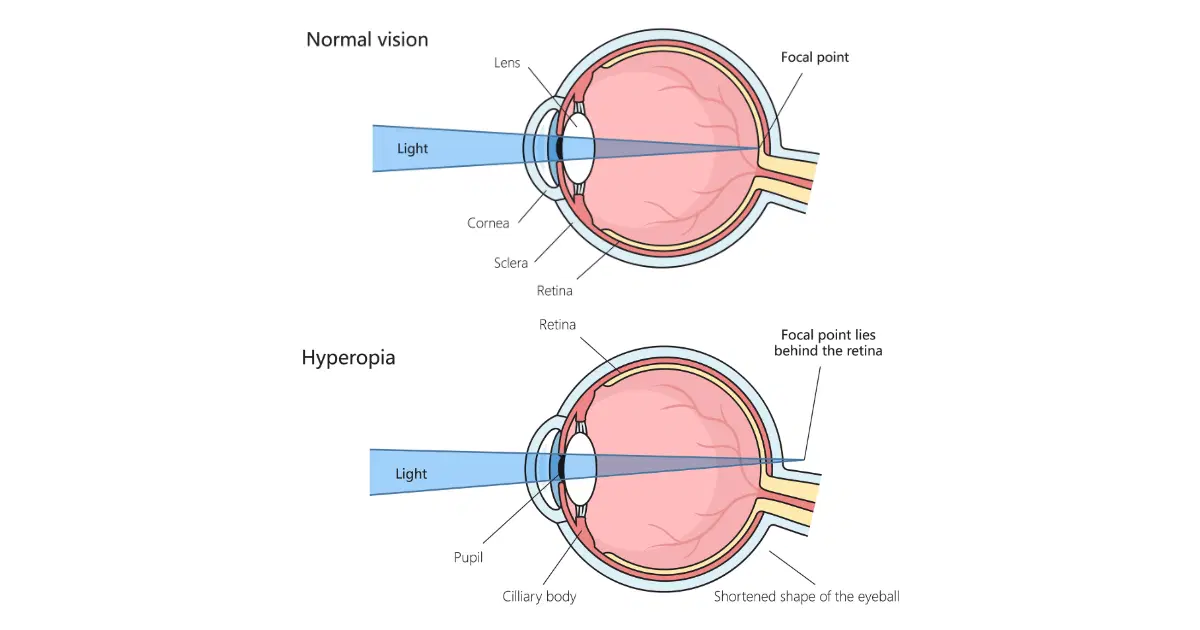
Hyperopia, also known as farsightedness, is a common refractive error where close-up objects may appear blurry. It happens when light focuses behind the retina instead of directly on it, often because the eye is shorter from front to back or the cornea is flatter than expected.
Common symptoms
Hyperopia symptoms often appear during close-up tasks such as reading, writing, phone use, or computer work. Some people may not notice symptoms at first, but discomfort can develop when the eyes work harder to focus.
Common symptoms include:
- Blurry vision when looking at nearby objects
- Eye strain after reading or screen use
- Headaches after close-up work
- Difficulty reading
- Blurred vision or tired eyes at night
- Squinting when reading
- Dull eye discomfort
- Double vision when reading
- Children rubbing their eyes often
- Children seeming uninterested in reading
What causes hyperopia?
Hyperopia is usually related to the shape of the eye. When the eyeball is shorter than usual or the cornea is flatter than expected, light may focus behind the retina instead of directly on it.
Possible causes include:
- Shorter eyeball length from front to back
- Flatter-than-usual cornea
- Light focusing behind the retina
- Genetic factors or family history
- Eye focusing effort during near work
- High hyperopia linked to stronger focusing difficulty
- Different from presbyopia, which is age-related near vision change
h1
h2
h3
h4
h5
h6
perfo
Risk factors
- Family history of hyperopia
- Blurry near vision
- Genetic influence on eye development
- Shorter eyeball length or flatter cornea
- Children with possible lazy eye or eye alignment concerns
- Eye strain or headaches during close-up work
How is hyperopia diagnosed?
Hyperopia is diagnosed through a comprehensive eye examination that checks how clearly you see, how your eyes focus, and whether there are other eye health concerns. A hyperopia eye check may include:
- Visual acuity testing
- Refraction assessment
- Eye health examination
- Pupil dilation where appropriate
- Retina assessment
- Review of symptoms and daily visual needs
- Screening for other eye conditions such as glaucoma or cataracts when needed
Managing & treating hyperopia
Glasses
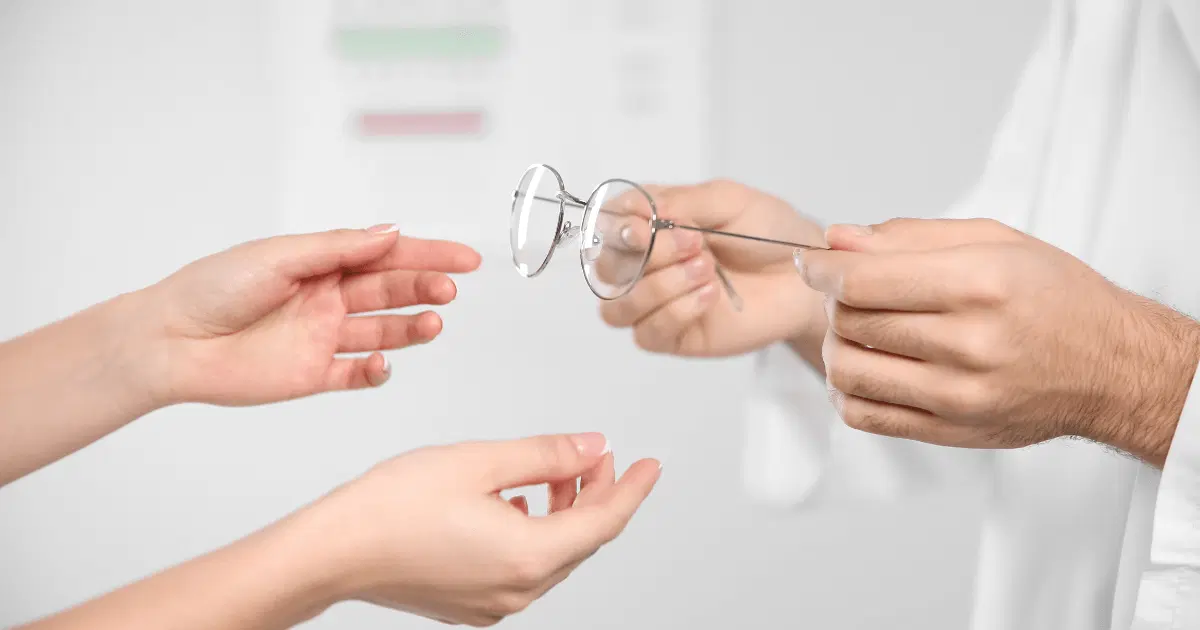
Glasses are a simple and common way to correct hyperopia. They help refocus light onto the retina so near vision becomes clearer and more comfortable. Depending on the prescription and symptoms, glasses may be worn full-time or only for certain tasks such as reading, studying, or computer work. They are suitable for both children and adults.
Contact lenses
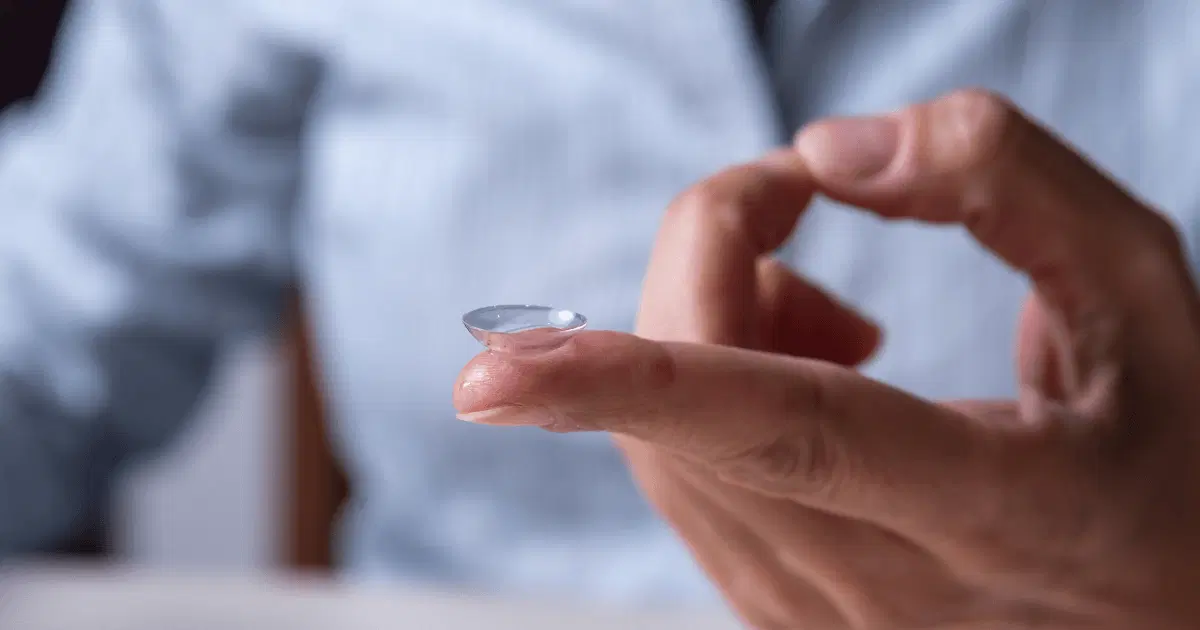
Contact lenses can correct hyperopia without the need to wear glasses. They sit directly on the surface of the eye and may suit people with active lifestyles or those who prefer a glasses-free option. A proper contact lens fitting, good hygiene, and regular follow-up checks are important for safe and comfortable use.
LASIK Eye Surgery
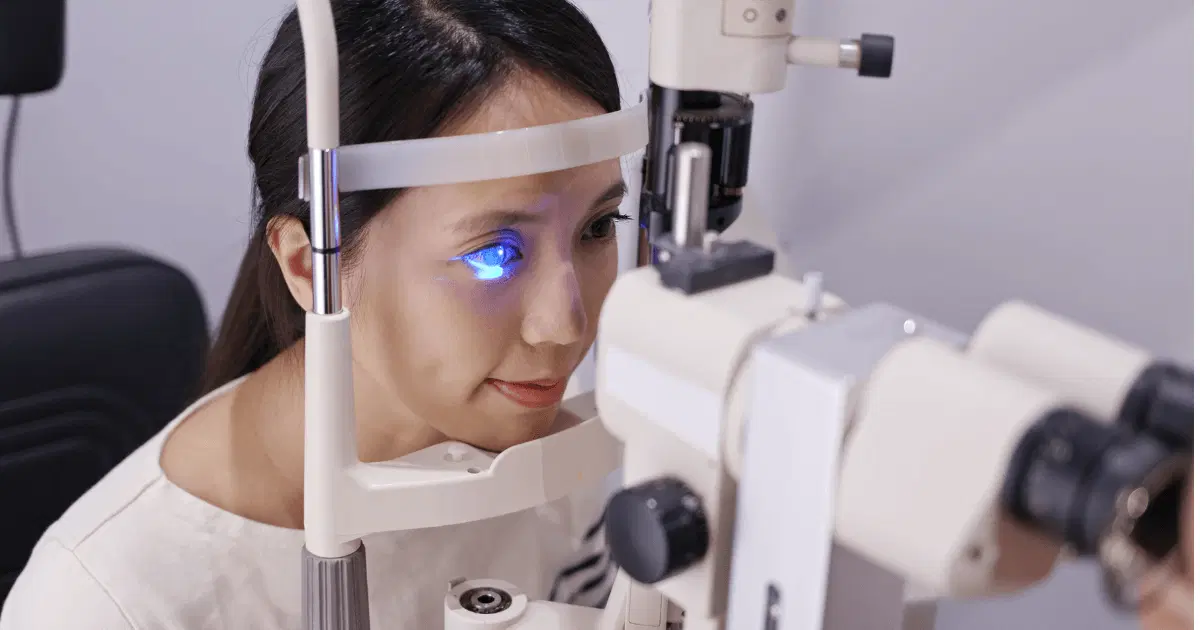
LASIK Eye Surgery for hyperopia may be suitable for selected adults with lower degrees of hyperopia. The procedure reshapes the cornea to help light focus more accurately on the retina. Suitability depends on factors such as prescription stability, corneal thickness, corneal health, and overall eye health, so it is not suitable for everyone.
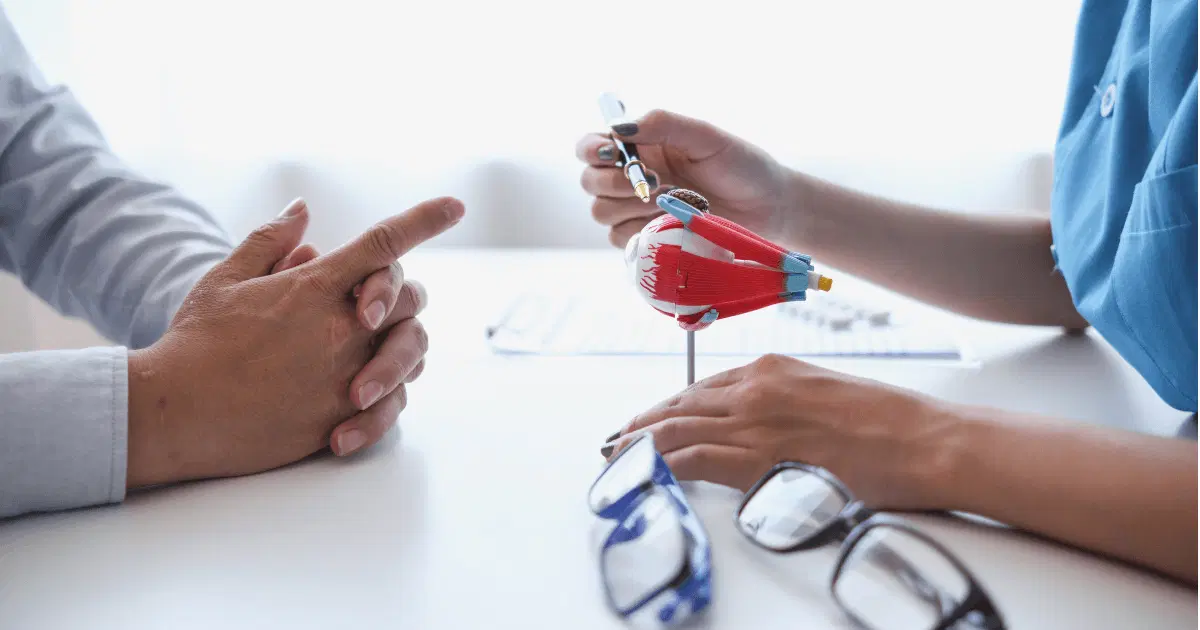
Implantable Contact Lens (ICL)
Implantable Contact Lens (ICL) for vision correction may be considered for selected adults with higher degrees of hyperopia. This procedure replaces the natural lens with an intraocular lens to improve focusing ability. Suitability depends on age, prescription, lens status, lifestyle needs, and overall eye health.
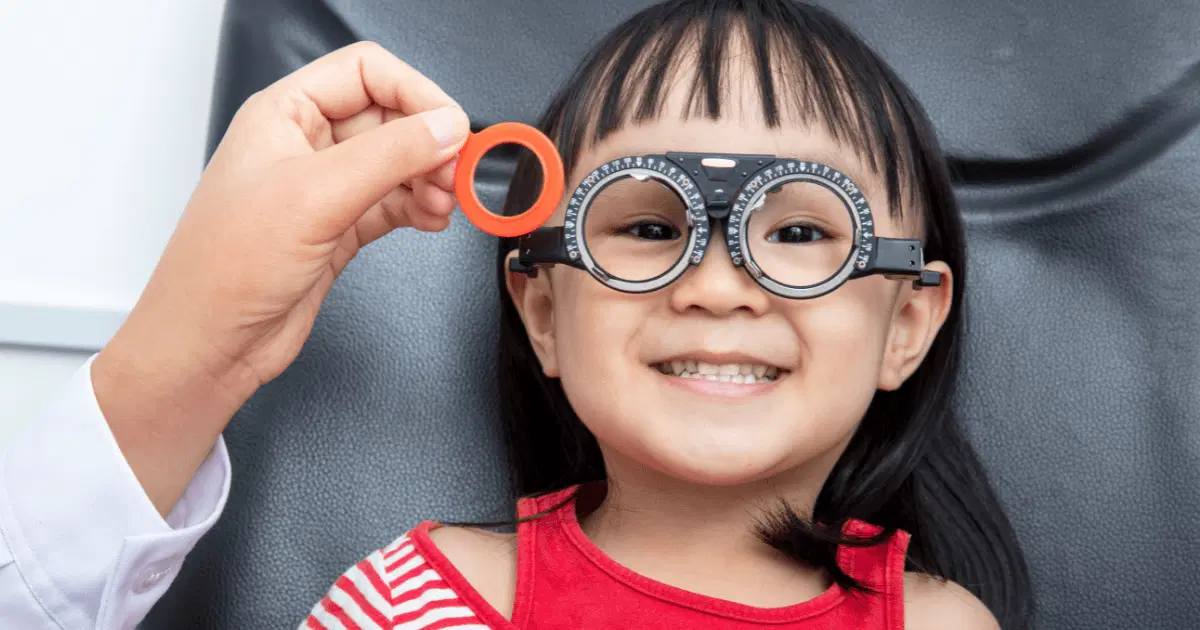
Children Eye Screening
Children with hyperopia may need glasses, regular monitoring, or further assessment depending on their symptoms and prescription. Regular eye checks help track prescription changes and visual development. Screening is especially important if there are signs of lazy eye, squint, reading difficulty, or frequent eye strain.

Prevention
There is no proven way to prevent hyperopia, as it is often related to eye shape and development. However, healthy eye habits may help protect overall eye health, reduce visual discomfort, and support earlier detection of vision problems.
- Eat a nutritious diet rich in eye-supporting nutrients
- Include fruits and leafy green vegetables
- Attend regular eye exams
- Wear sunglasses with UV protection outdoors
- Rest your eyes during long screen sessions
- Take breaks from close-up work
- Update glasses or contact lens prescriptions when needed
- Seek an eye check if blurry near vision or headaches affect daily life
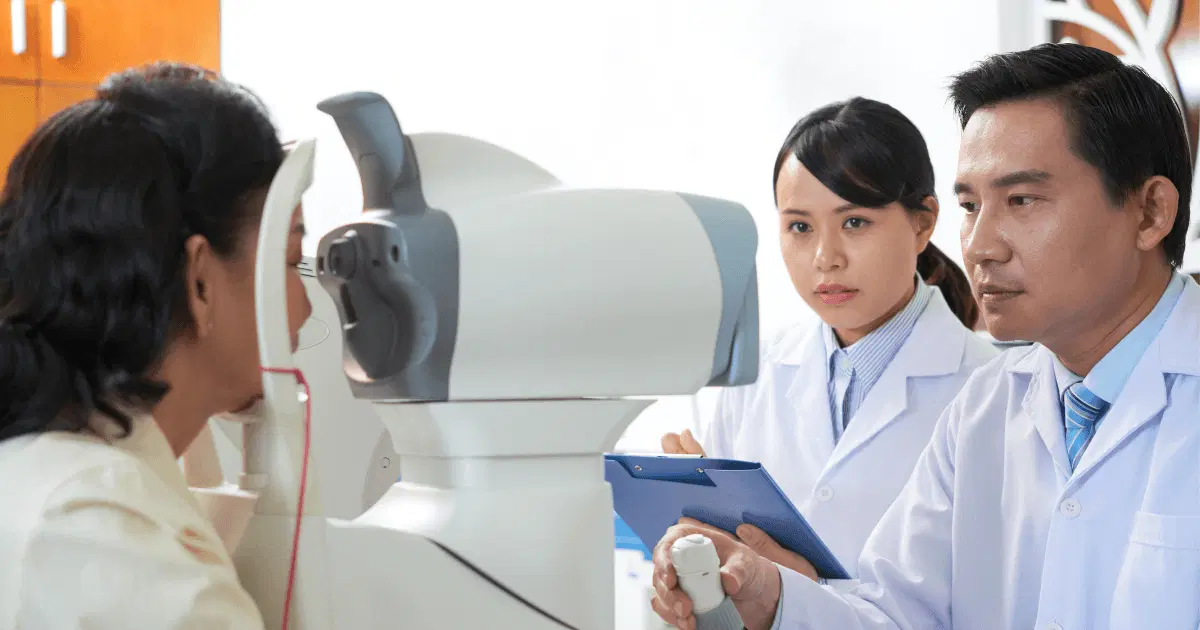
When should you see an eye doctor?
You should see an eye doctor or optometrist if you have blurry near vision, eye strain, headaches, or squinting when reading. An eye assessment can help confirm whether hyperopia or another eye condition is causing your symptoms.
Regular eye exams are also important even if symptoms are mild, especially for children or anyone whose prescription keeps changing. Seek urgent medical attention if you experience sudden blurred vision or sudden vision loss.
Our specialists
Our team of board-certified ophthalmologists and licensed optometrists brings together decades of specialized training and experience. Each doctor has completed additional fellowship training in subspecialty areas, ensuring you receive the most advanced care available.

Dr Stephanie Young
Director of Ophthalmic Plastic & Reconstructive Surgery
- Diabetic Eye
- Cataract
- Eye Inflammation

Dr Jay Siak
Director of Uveitis, Ocular Inflammation & Autoimmune Eye Disease
- LASIK
- EPI-LASIK
- Trans PRK

Dr Jean Chai
senior cosultant
Director of Cornea Services, LASIK Services and Refractive Surgery
- MBBS
- MBBS
- MBBS
- LASIK
- EPI-LASIK
- Trans PRK

Dr Julian Theng Thiam Siew
Group Chairman and Medical Director of Eagle Eye Centre
- LASIK
- EPI-LASIK
- Trans PRK

Dr Lynn Yeo
Director of Refractive Surgery and Comprehensive Ophthalmic Services
- LASIK
- EPI-LASIK
- Trans PRK
Frequently asked questions
Ask us anything about how we can help you understand eye care better!
- Hyperopia can run in families.
- Children may inherit eye shape traits from their parents.
- Family history may increase the likelihood of farsightedness.
- Genetics is not the only factor, so a proper eye exam is still needed.
- Hyperopia usually cannot be naturally reversed.
- It is often related to the shape of the eye.
- Glasses and contact lenses correct vision while they are worn.
- Surgery may correct hyperopia for suitable adults after proper assessment.
- Hyperopia can change as children grow.
- Some children may need prescription updates over time.
- Adults may notice near vision changes again after age 40 due to presbyopia.
- Regular eye exams help track whether vision is stable.
- High hyperopia may affect both near and distance vision.
- In children, significant hyperopia may be linked with lazy eye or eye alignment concerns.
- Not every case is serious, but proper assessment is important.
- Early detection helps guide correction and monitoring.
- Screen time does not directly cause hyperopia.
- Hyperopia is mainly related to eye shape and focusing.
- Long screen use can make symptoms like eye strain and headaches more noticeable.
- If symptoms happen often, an eye check can confirm the cause.
- LASIK may correct hyperopia in suitable adults.
- It works by reshaping the cornea.
- Vision can still change naturally with age.
- Presbyopia or cataracts may affect near vision later.
- Suitability depends on prescription, corneal health, and clinical assessment.
- Hyperopia usually does not go away naturally.
- Glasses and contact lenses correct vision while they are worn.
- Some children’s prescriptions may change as their eyes grow.
- Surgery may correct hyperopia for suitable adults after assessment.
WHAT YOU SEE MATTERS
Schedule Your Vision Check
Blurry near vision is not always just tired eyes. Hyperopia can make reading, screen use, and close-up work feel uncomfortable, especially when your eyes have to work harder to focus. A comprehensive eye assessment can help identify the cause of your symptoms and guide suitable options such as glasses, contact lenses, or refractive treatment where appropriate.