


Diabetic Retinopathy
What Is Diabetic Retinopathy?
Diabetic retinopathy is a diabetes-related retinal condition that affects the small blood vessels at the back of the eye. Over time, these vessels may become weak, blocked, or leaky, which can affect the retina and the macula, the part responsible for sharp central vision.
Types of Diabetic Retinopathy
Diabetic Retinopathy is commonly grouped into three main types, depending on how diabetes affects the retinal blood vessels and whether abnormal new blood vessels have developed.
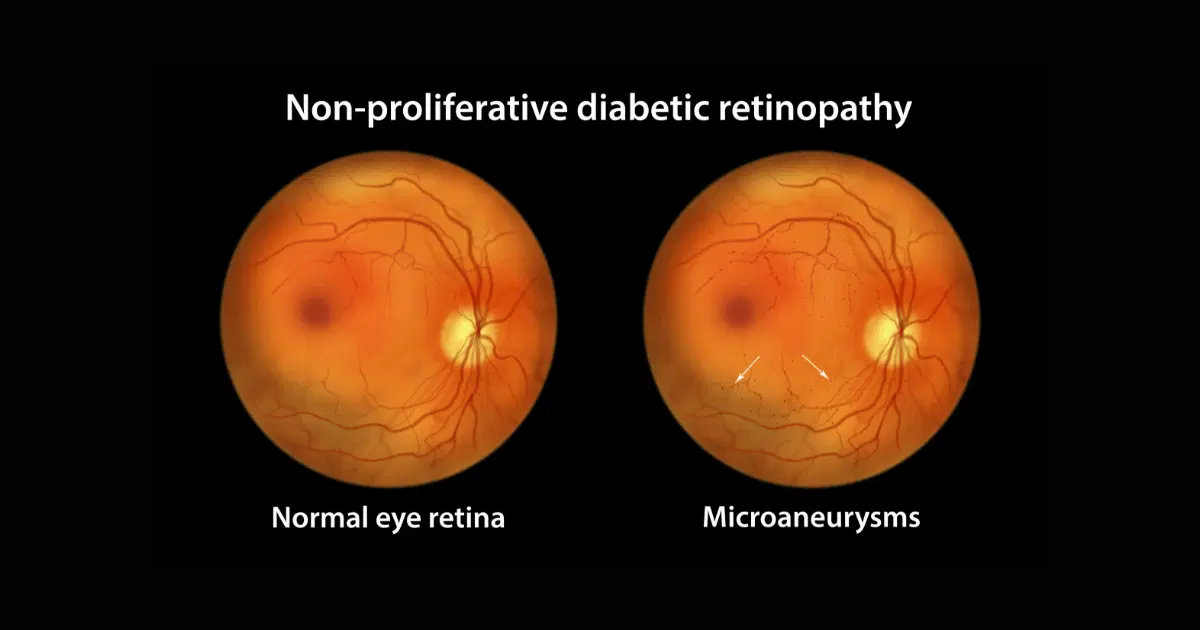
Non-proliferative diabetic retinopathy
The earlier stage of diabetic retinopathy. Small retinal blood vessels may weaken, leak fluid, or show tiny areas of bleeding. Vision may still feel normal at this stage, which is why screening is important.
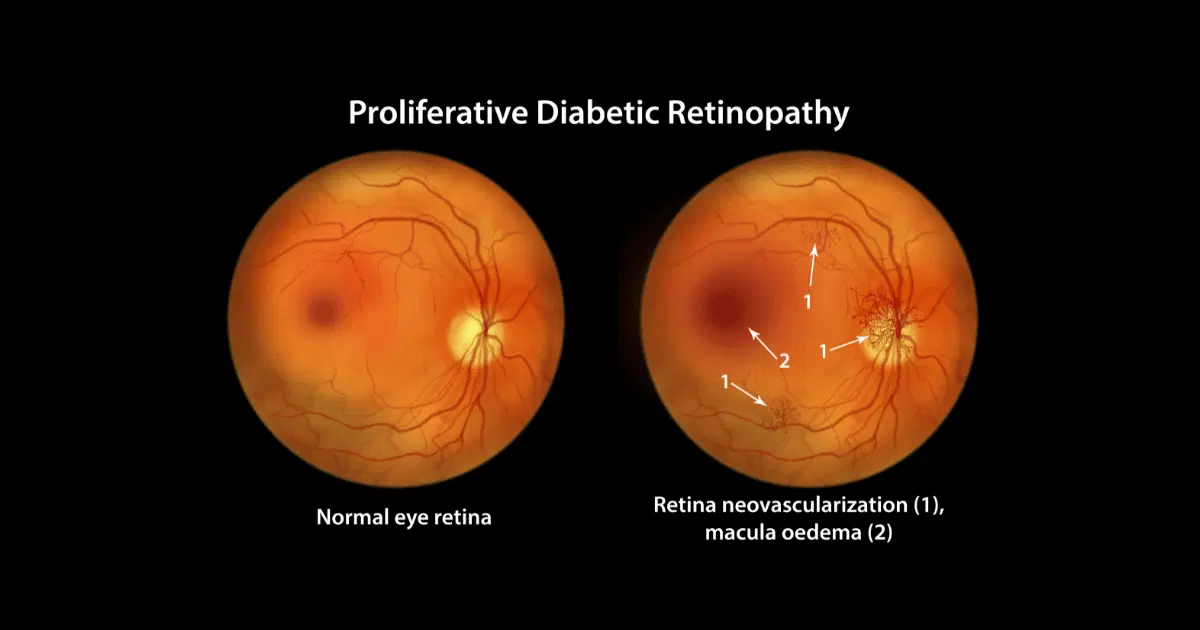
Proliferative diabetic retinopathy
A more advanced stage where abnormal new blood vessels grow on the retina. These vessels are fragile and may bleed or cause scar tissue, which can increase the risk of serious retinal complications.
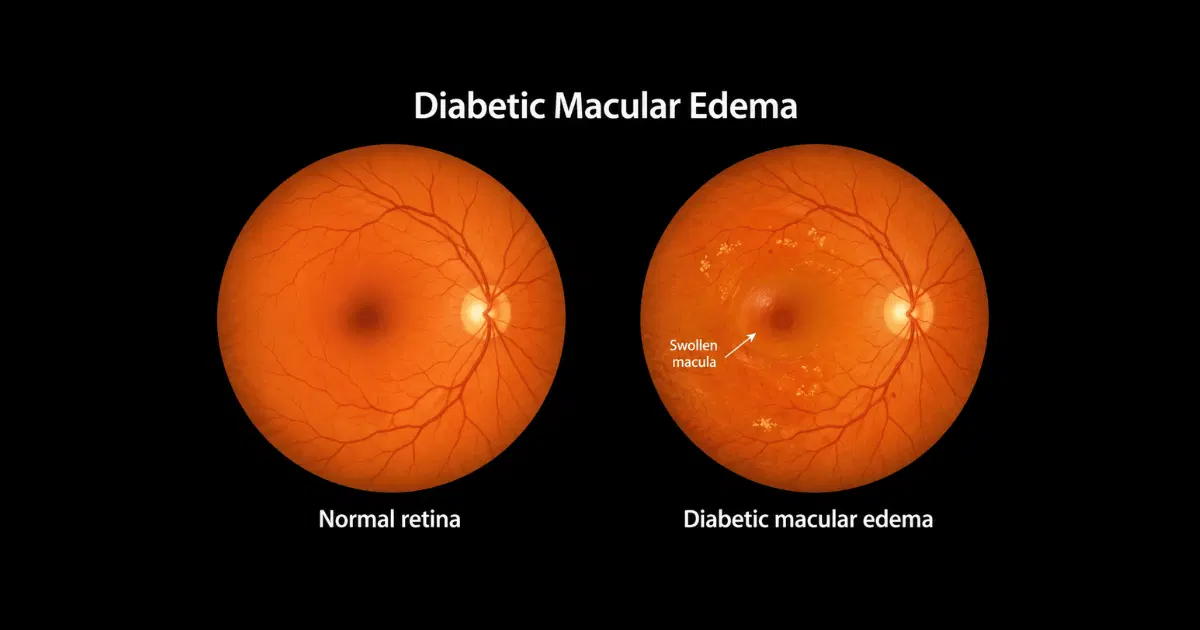
Diabetic macular edema
A condition where fluid builds up in the macula, the central part of the retina used for detailed vision. It may cause central blur, distorted vision, or difficulty reading and driving.
Common symptoms
Diabetic retinopathy may not cause noticeable symptoms in the early stages. When symptoms appear, they may suggest changes in the macula, bleeding inside the eye, or more advanced retinal disease.
Common symptoms include:
- Blurred central vision
- Difficulty reading or driving
- Distorted vision, where straight lines may look wavy
- Reduced ability to see colours clearly
- Small spots or floaters
- Sudden severe vision loss in advanced cases
- Vision changes affecting one or both eyes
- Sudden symptoms linked with bleeding or retinal detachment
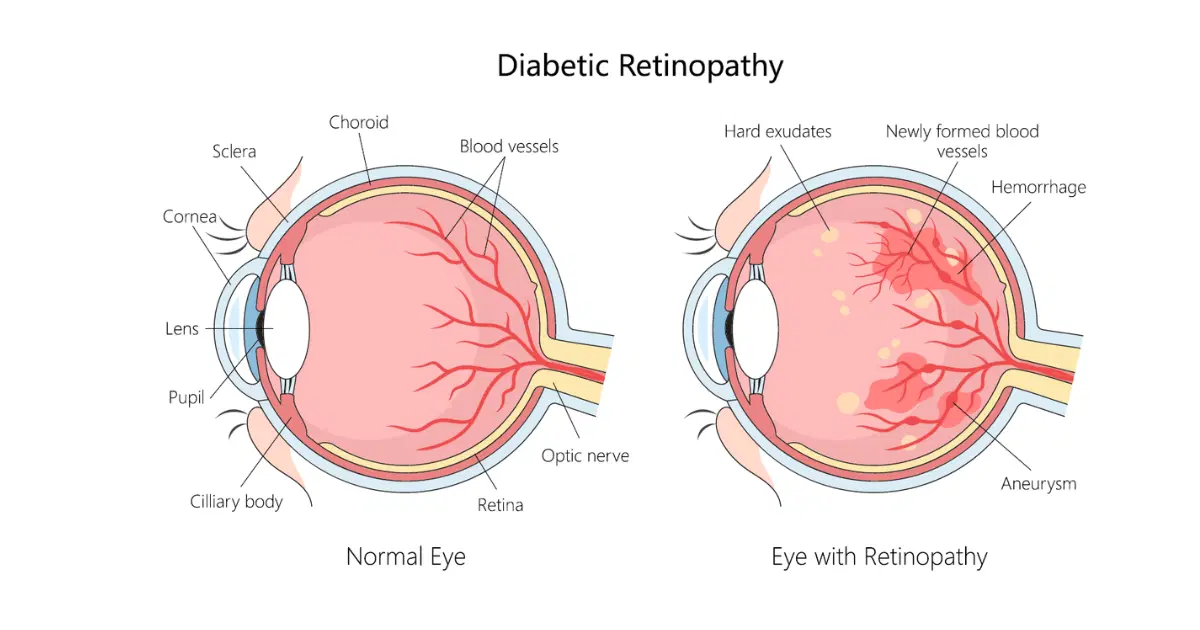
What Causes Diabetic Retinopathy?
Diabetic retinopathy develops when diabetes affects the health of retinal blood vessels over time. When these vessels become damaged, the retina may receive less stable blood supply, and fluid or blood may leak into retinal tissue.
Possible causes include:
- Long-standing diabetes
- Poorly controlled blood glucose levels
- Damage to tiny retinal blood vessels
- Leakage or bleeding from retinal vessels
- Reduced blood supply to parts of the retina
- Growth of abnormal new blood vessels in advanced disease
- Macular swelling caused by leaking blood vessels
Risk Factors
Anyone with diabetes can develop diabetic retinopathy, but some factors may increase the chance of developing retinal changes or having more severe disease. Managing overall health is an important part of protecting long-term eye health.
- Diabetes duration
- Blood sugar control
- High blood pressure
- High cholesterol and other health conditions
- Smoking and lifestyle factors
- Existing diabetic retinal changes
How Diabetic Retinopathy is diagnosed
Diabetic retinopathy is diagnosed through an eye examination that allows the retina and macula to be checked for diabetes-related changes. Your eye doctor may recommend imaging tests to assess swelling, leakage, blocked blood flow, or abnormal blood vessels. An eye examinationmay include:

Diabetic Eye Screening
Diabetic Eye Screening helps assess for diabetes-related eye changes, even before obvious symptoms appear. It is suitable for individuals with diabetes or vision concerns and can support earlier detection and referral when needed.
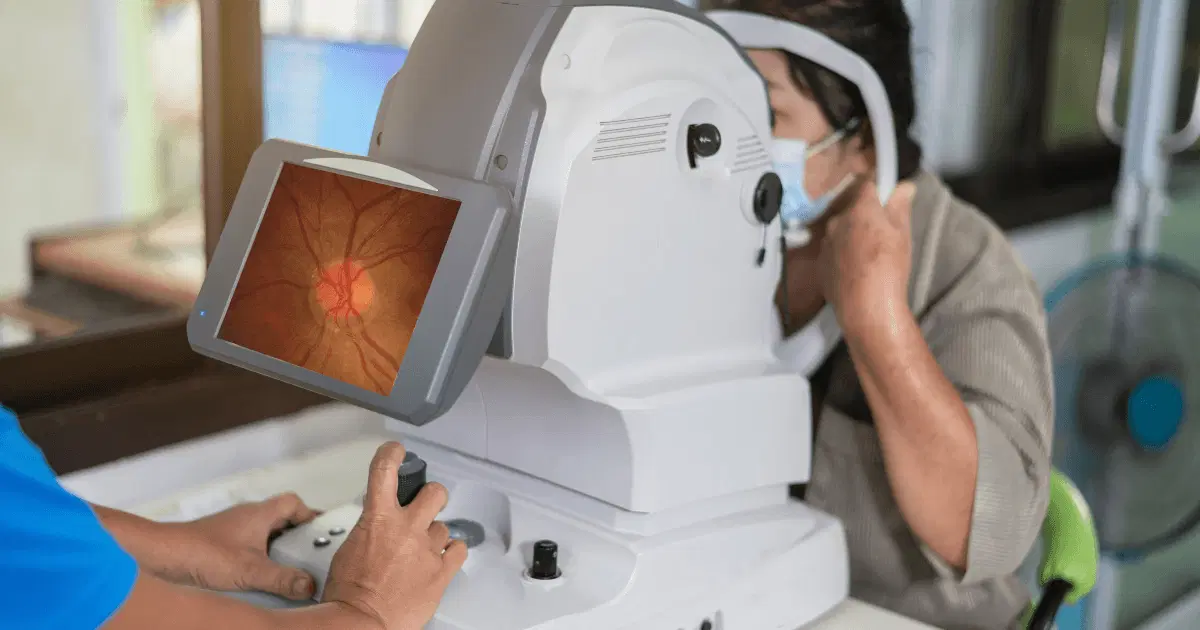
Dilated retinal examination
A dilated retinal examination allows the ophthalmologist to examine the retina and macula more clearly. Eye drops may be used to enlarge the pupils so signs of bleeding, leakage, swelling, or abnormal blood vessels can be checked.
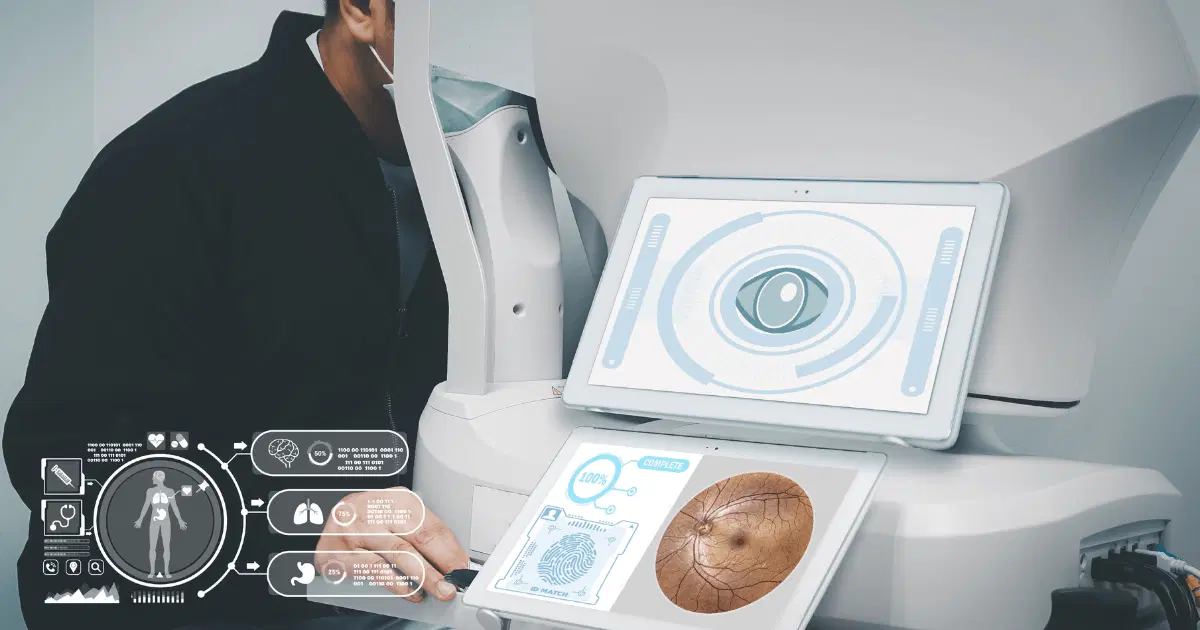
Retinal photography
Retinal photography captures images of the back of the eye. These images can help document retinal changes over time and may be used as part of diabetic retinal screening.
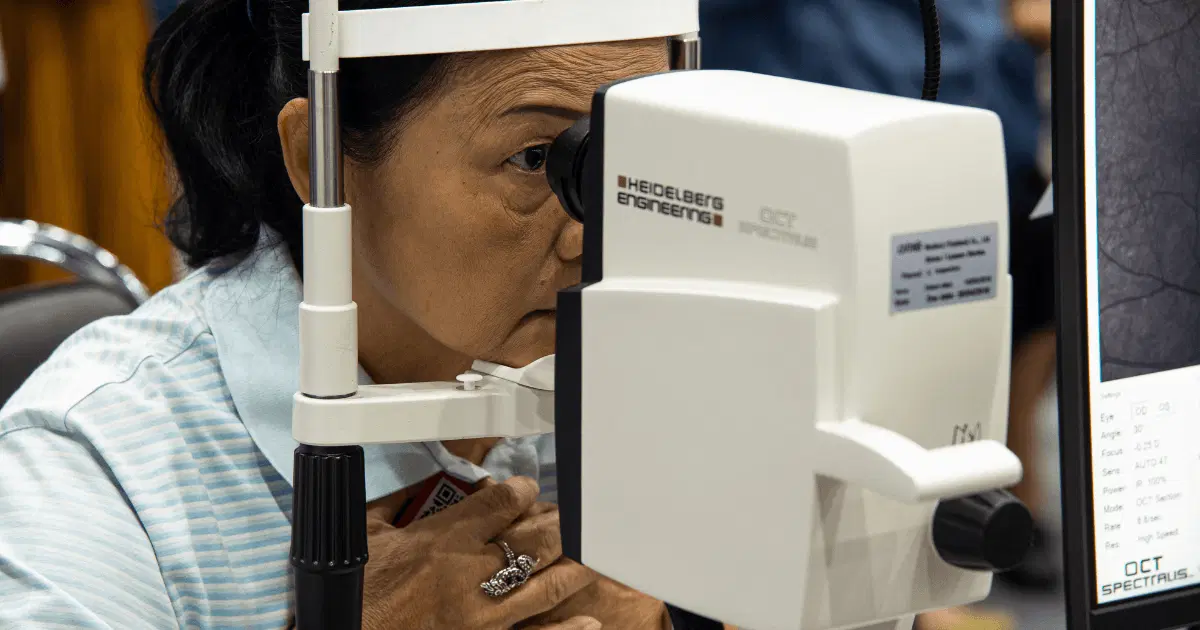
Fundus Fluorescein Angiogram
A Fundus Fluorescein Angiogram uses a fluorescent dye injected into a vein. Photographs are taken as the dye moves through the retinal blood vessels, helping to identify leaky vessels or areas with poor blood flow.
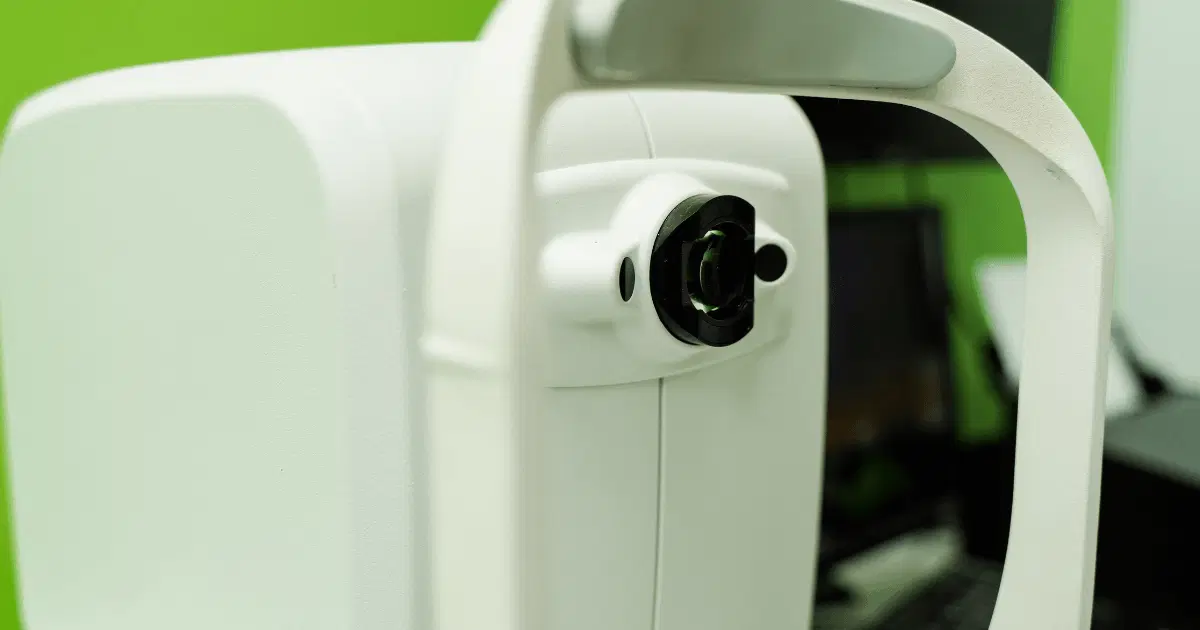
Optical Coherence Tomography(OCT)
Optical Coherence Tomography uses light waves to create detailed cross-sectional images of the retina and macula. It is commonly used to assess retinal swelling, including diabetic macular edema, and does not involve radiation.
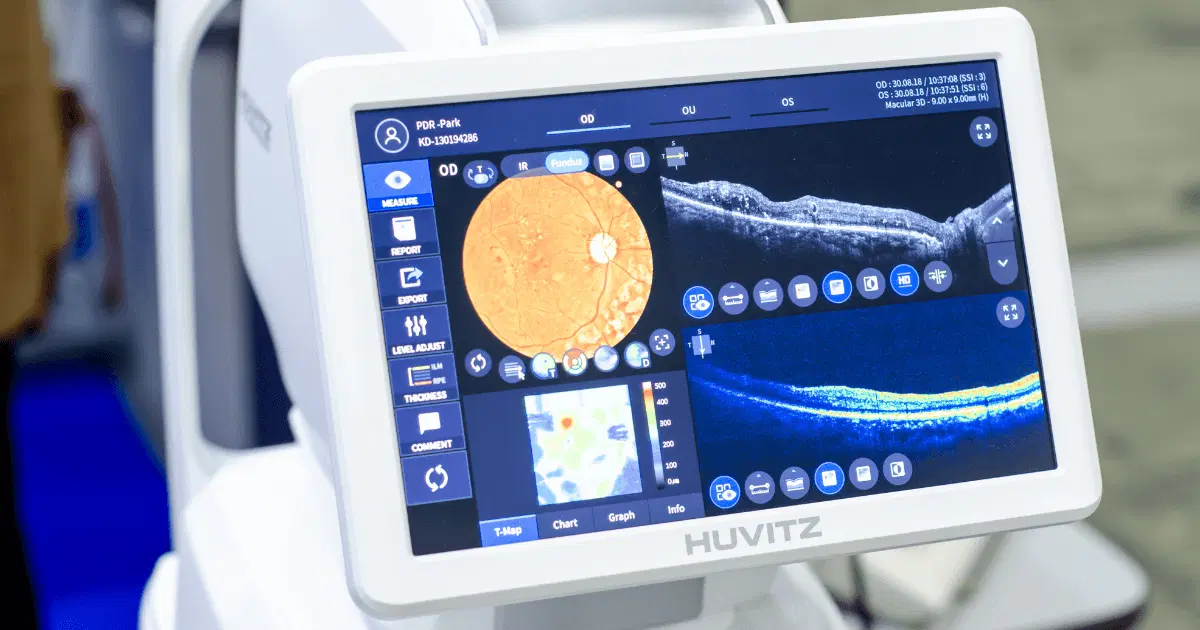
Optical Coherence Tomography Angiography
Optical Coherence Tomography Angiography uses OCT-based imaging to assess retinal blood vessel changes. It does not require fluorescent dye injection and may help evaluate blood flow changes in selected cases.
Managing & treating Diabetic Retinopathy
Treatment depends on the stage of diabetic retinopathy, whether diabetic macular edema is present, and whether there are signs of vision-threatening complications. Some patients need monitoring, while others may need laser treatment, injections, or surgery.

Monitoring and diabetes control
Early Diabetic Retinopathy may be monitored without immediate eye treatment. Blood glucose, blood pressure, cholesterol, kidney health, smoking, diet, and exercise should be managed with the patient’s healthcare team.

Diabetic Eye Screening
Diabetic Eye Screening helps assess for diabetes-related eye changes and may be useful for people with diabetes even before symptoms appear. Regular screening supports earlier detection and referral if further specialist care is needed.

Laser Eye Surgery
Laser treatment may be used for proliferative diabetic retinopathy, especially when abnormal new blood vessels develop in the retina. Panretinal photocoagulation, also known as PRP, is usually completed over multiple sessions. In general, each eye may require two to three sessions, and regular treatments may be needed over six to twelve months before diabetic retinopathy is adequately controlled.

Intravitreal Injections
Intravitreal injections may be used for proliferative diabetic retinopathy or diabetic macular edema. Anti-VEGF medications are injected into the eye to help reduce abnormal blood vessel activity or macular swelling. Multiple injections may be needed depending on the response and the ophthalmologist’s assessment.

Vitrectomy
Vitrectomy may be required in severe cases where proliferative diabetic retinopathy causes major bleeding inside the eye or retinal detachment. This is a form of keyhole eye surgery used to remove blood and vitreous gel, and scar tissue may also be treated if it is contributing to retinal detachment.
Our Specialists
Our team of board-certified ophthalmologists and licensed optometrists brings together decades of specialized training and experience. Each doctor has completed additional fellowship training in subspecialty areas, ensuring you receive the most advanced care available.

Dr Jay Siak
Director of Uveitis, Ocular Inflammation & Autoimmune Eye Disease
- LASIK
- EPI-LASIK
- Trans PRK

Dr Jean Chai
senior cosultant
Director of Cornea Services, LASIK Services and Refractive Surgery
- MBBS
- MBBS
- MBBS
- LASIK
- EPI-LASIK
- Trans PRK

Dr Lynn Yeo
Director of Refractive Surgery and Comprehensive Ophthalmic Services
- LASIK
- EPI-LASIK
- Trans PRK
Frequently asked questions
Ask us anything about how we can help you understand eye care better!
- Yes, Diabetic Retinopathy often has no early warning signs.
- Vision may not be affected until the condition becomes more advanced.
- This is why people with diabetes should attend regular eye examinations.
- Early detection can help guide monitoring or treatment before vision is affected.
- We recommend that people with diabetes have an eye examination at least once a year.
- Screening may include an eye examination or specialised retinal photography.
- If abnormalities are found, referral to an ophthalmologist may be needed.
- Your doctor may advise more frequent reviews depending on your condition.
- Not always.
- Blurred vision may be caused by diabetic macular edema, cataract, glaucoma, refractive error, or other retinal conditions.
- A proper eye examination can help identify the cause.
- People with diabetes should not ignore new or persistent vision changes.
- Diabetic macular edema is swelling of the macula caused by leakage from damaged retinal blood vessels.
- The macula is important for sharp central vision.
- Symptoms may include blurred central vision, distorted images, or difficulty reading.
- Treatment may include Laser Treatment or Intravitreal Injections.
- Early stages may be monitored with regular follow-up and diabetes control.
- Laser Treatment may be used for advanced retinal blood vessel changes.
- Intravitreal Injections may be used for diabetic macular edema or abnormal vessel activity.
- Vitrectomy may be needed for severe bleeding or retinal detachment.
- Seek prompt attention if you notice sudden vision loss.
- New floaters, bleeding-like spots, flashes, or a curtain-like shadow should not be ignored.
- Distorted central vision or sudden worsening of vision should be checked.
- These symptoms may suggest advanced retinal problems that need timely assessment.
WHAT YOU SEE MATTERS
Schedule Your Vision Check
Diabetic Retinopathy can develop quietly before obvious symptoms appear. If you have diabetes, regular diabetic eye screening can help detect retinal changes early and guide suitable care before vision is affected. If you notice blurred vision, floaters, distorted central vision, or sudden changes in sight, an eye assessment should not be delayed.